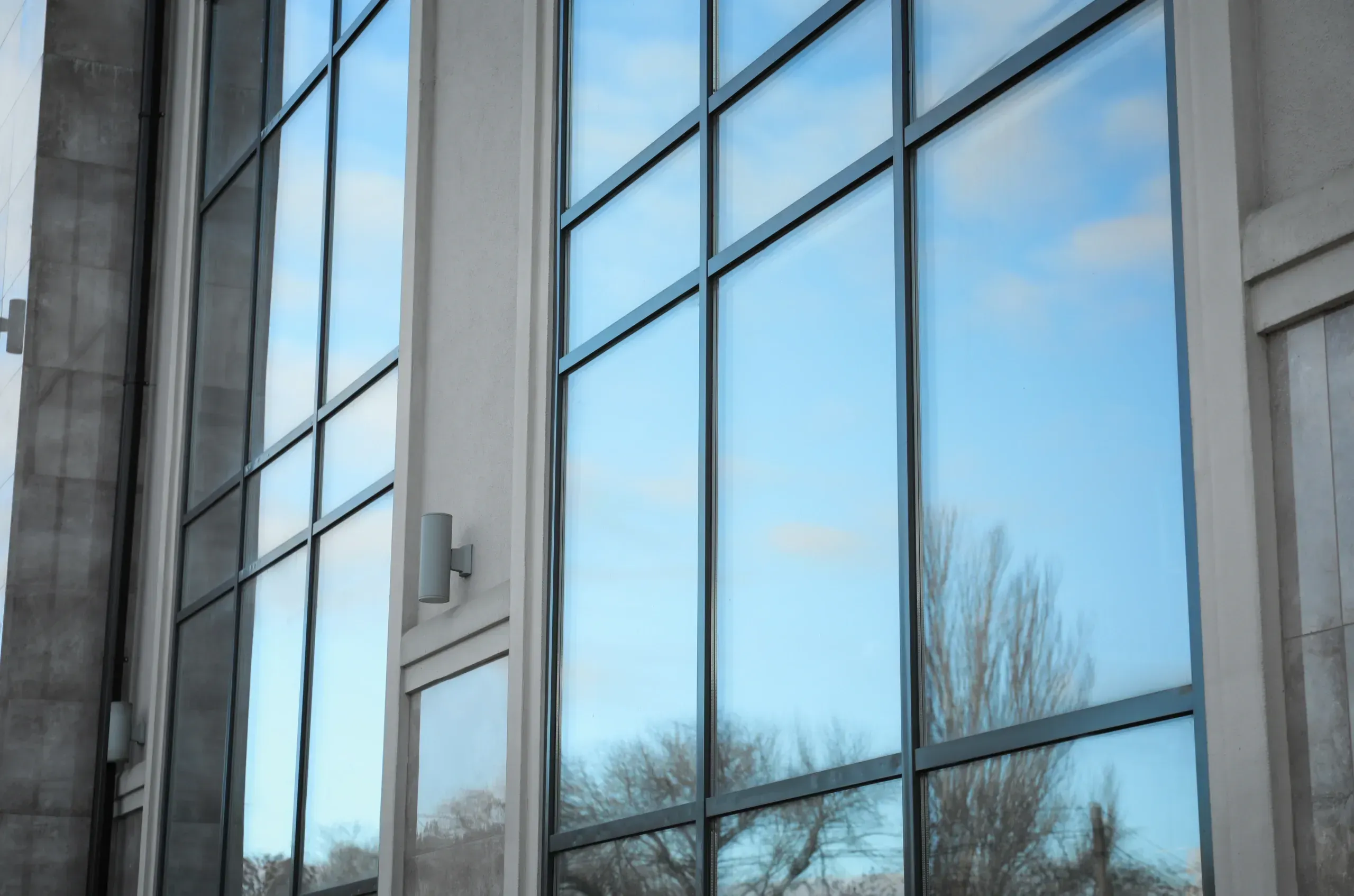
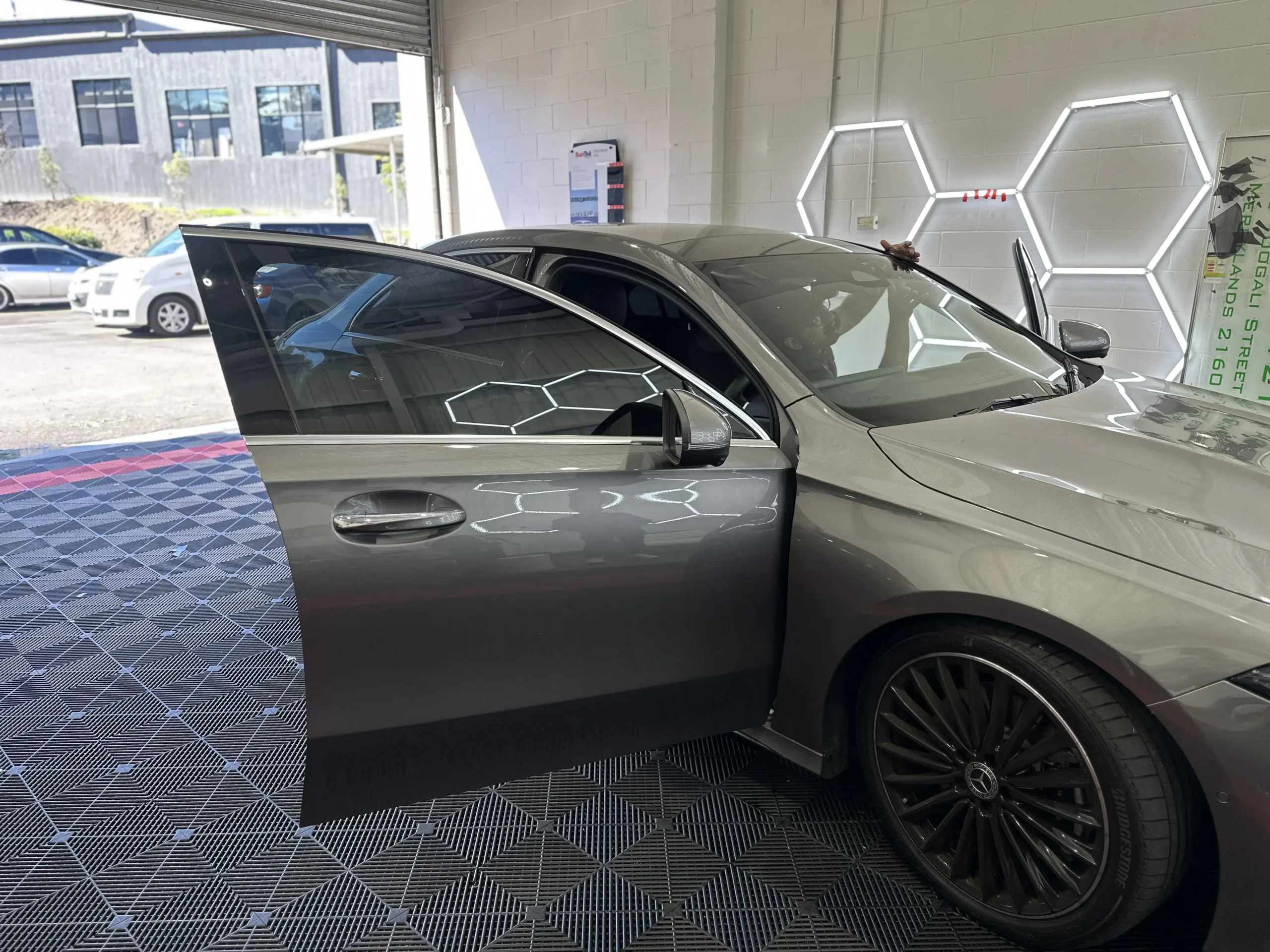
Tinting your car windows is one of those upgrades that is both practical and stylish. Not only does it make driving more comfortable, but it also cuts down glare and heat, helps block harmful UV rays, and gives the car a sleek, timeless look. Now, the big question is: How do you tint a car window? Some people get their window tinting done professionally, but you can also tint your windows at home by yourself if you have the patience and the right tools for it. In this guide, we will walk you through the process step by step so you know exactly how to tint a car window the right way.
Know the Basics Before You Start
Before you dive into the actual car window tinting, try getting to know a little about the materials and rules that come with it.
Window tints come in multiple types, and no two types are the same. The most common types include: dyed film, metallic film, and ceramic film.
Dyed window tint films are usually the cheapest option, and they give your car a darker look. The downside of this film is that it does not block out any heat.
Metallic films, in comparison, reflect heat and sunlight much better. However, these window tints can sometimes interfere with the signals from your phone or GPS.
The last car window tint type is Ceramic film. Ceramic films are the highest-quality window tint available in the market. They block heat and UV rays very effectively without messing with signals, but they also cost a lot more than the other two.
Other than the types of window tints available, you also need to check the local tint laws of your area. Every region has its own limits on how dark your windows can be. These rules exist for safety reasons, so make sure you are using a tint that is within the legal limits.
The Tools You’ll Need
Now, let’s move on to the things you will need to work on this project. You will need a window tint film of your choice, a squeegee, a spray bottle filled with water and a little dish soap, a razor blade, a heat gun or hair dryer, and a clean microfiber cloth.
Make sure you’ve gathered all your supplies beforehand. Having the right tools on hand makes the job smoother and saves time.
Preparing the Car Windows
Preparing your car is the most important part of tinting. If your window glass is dirty, the film will not stick properly, and you will end up with bubbles or streaks.
Start by cleaning the windows, both inside and outside. You can use a glass cleaner or soapy water and a microfiber cloth. Pay close attention to the edges and corners of the window since dirt often collects there. You can even use a razor blade to scrape off any stubborn dirt or old adhesive that won’t come off with the cleaner.
Once the glass is clean, dry it completely. Make sure the surface is completely clean because even the smallest specks of dust might show through the tint. For the best results, work in a garage or indoors to avoid dust and wind. The cleaner your workspace, the smoother your car tint will look.
Measuring and Cutting the Tint Film
Now that your windows are ready, it is time to finally cut the film. Roll out the tint film and place it on the outside of the window with the protective layer facing out. Spray the window with soapy water so the film sticks in place while you measure.
When cutting the film, make sure it’s slightly larger than the window. This extra margin gives you some room to work with during installation. Once you have the rough cut, trim it more closely to match the exact outline of the glass.
Always use a sharp razor blade for cleaner cuts. The more precise you are, the better the finished tint will look.
Accuracy is key here, so you really need to get the cut right. If the film is too small, it will not cover the glass properly. If it is cut unevenly, you may end up with gaps or overlaps. Take your time during this step.
Applying the Tint Film
Once you have cut the film to size, you are ready to apply it. This is where your patience pays off.
Start by generously spraying the inside of the window with soapy water. Peel the protective liner off the film to expose the adhesive side, and also spray that side with the soapy water. Why are we applying water to the film? The water allows you to slide the film into position before it sticks firmly.
Place the film on the inner side of the glass and line it up carefully. Using a squeegee, start smoothing it from the center outward.
Work very slowly, pressing out air bubbles and excess water as you go. If the film starts to stick before you are ready, keep spraying the surface lightly.
If the window has curves, use a heat gun or a hair dryer to warm the film gently. This makes the film more flexible so it can fit the shape of the glass without creasing. Keep the heat moving to avoid damaging the film. Once the film is in place and bubble-free, go over it again with the squeegee to make sure it is fully stuck.
Trimming and Finishing Touches
After the film is applied, you will likely have some extra material around the edges. Use your razor blade to trim off the excess so the film fits perfectly within the window frame. Take your time with this step. A clean edge makes the tint look professional, while uneven edges can ruin the appearance.
Once trimmed, go over the film again with your squeegee. Push out any remaining water or bubbles and press the film firmly against the glass. Finally, wipe down the glass with a microfiber cloth to remove any moisture or smudges on the surface. By this time, your car tint should look smooth and well-fitted.
Drying and Curing Time
Even if the tint looks good, it still needs time to cure. Depending on the weather, the film will take anywhere from a few days to a couple of weeks to dry completely. Warm, sunny conditions speed up the process, while cold or humid weather slows it down.
During this curing period, avoid rolling down the windows. If you roll them down too soon, the edges of the film can peel up or crease. Also, do not try to clean the inside of the windows until the tint has fully set. Having patience throughout this process really is the key to getting the perfect car window tint.
Common Mistakes to Avoid
A lot of beginners run into the same issues when tinting their own windows. Knowing them ahead of time helps you avoid problems.
One common mistake is applying the film in a dusty or windy area. Dirt gets trapped between the glass and film, creating bumps that cannot be fixed once the tint sticks.
Another mistake is cutting the film too short, leaving gaps along the edges. As mentioned before, always leave a little extra to trim down later.
Trapped bubbles are another issue. Rushing the squeegee process or not using enough soapy water often causes bubbles. Take your time to press them out while the film is still movable.
Finally, poor quality film or tools can make the job harder than it needs to be. Investing in decent materials saves frustration and gives you better results.
Conclusion
Tinting your car windows at home is doable only when you have the right tools and follow the steps carefully. It comes down to preparation, precise cutting, careful application, and patience during the curing process. Done right, tinting gives your car a polished look while also making it cooler and more comfortable inside.
Getting your car window tinting done professionally is always the best option if you’re unsure about doing it yourself. Dandy Tints is Sydney’s top professional window tinting service with over four years of experience. Contact our team today to get a free quote for your car!