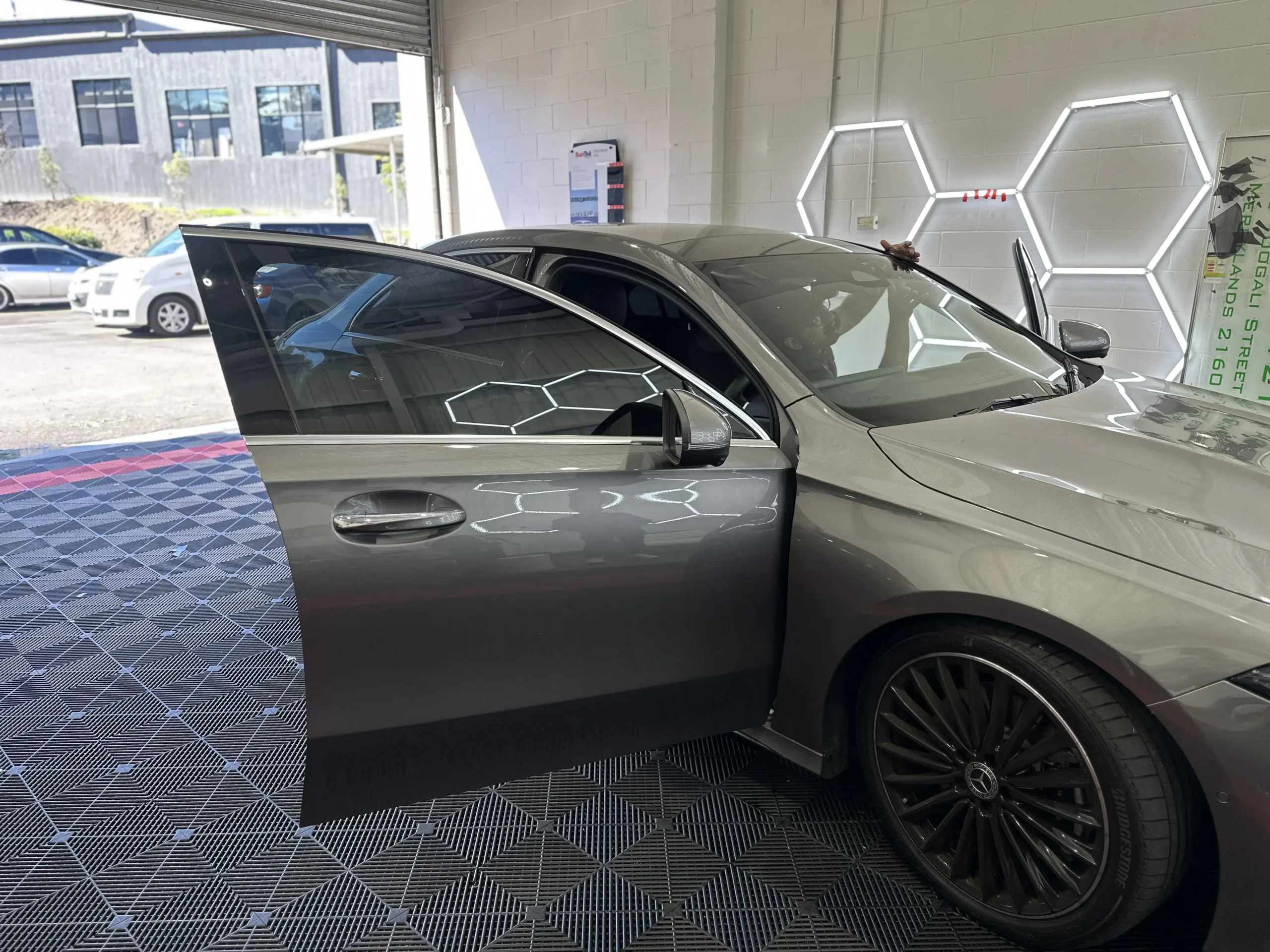
Navigating the roads across New South Wales and the greater Australian continent exposes your vehicle to some of the most punishing climate conditions in the Southern Hemisphere. When summer conditions hit their peak, any standard, untreated vehicle cabin sitting unsheltered can turn into an absolute greenhouse trap, with interior dashboard, upholstery, and air temperatures quickly soaring past 60°C.
For many everyday motorists, family commuters, and fleet drivers, the immediate reflex to combat this intense thermal strain is to find the absolute darkest legal window tint in Australia to secure privacy, reduce blinding glare, and keep the interior cool.
However, achieving a deeply dark, premium aesthetic requires a careful balancing act with transport compliance. Once an aftermarket film crosses the street-legal boundary, even by a tiny fraction, it ceases to be an asset. Instead, it becomes an expensive legal liability that can result in on-the-spot police fines, failed safety vehicle inspections, and forced tint removal notices.
Understanding exactly how transport laws govern vehicle modifications across different states is the first step toward getting a high-performance upgrade that keeps your vision perfectly safe and your vehicle entirely legal.
Visible Light Transmission (VLT) & Reflectivity Limits Explained
To understand how window tint compliance is evaluated by transport authorities across Australia, you must look at the exact physics of two primary structural metrics: Visible Light Transmission (VLT) and Film Reflectivity.
Visible Light Transmission (VLT)
VLT is the standard percentage metric used by law enforcement and tint meters to evaluate glass darkness. It describes the exact amount of visible external light that can pass through your vehicle windows once an aftermarket film has bonded to the substrate.
- A 100% VLT rating indicates completely clear, untouched glass where raw sunlight passes through entirely.
- A low rating, such as 10% VLT, indicates a very dark, heavily pigmented film that only permits 10% of external visible light to enter the car cabin.
Film Reflectivity
The second critical metric is the film’s external reflection profile. Across the vast majority of Australian territories, reflectivity is strictly capped at 10%,which is structurally identical to the natural reflection profile of a raw piece of untreated factory glass. This uniform rule prevents vehicles from carrying high-mirror or chrome-like finishes that can blindingly distort the vision of oncoming drivers.
The Critical NSW Clause: For motorists operating within New South Wales, the regulatory guidelines are even more distinct. Reflective window film configurations are completely prohibited on all passenger vehicles. Your chosen upgrade must possess a neutral, non-reflective finish to remain completely legal.
The Ultimate State-by-State Compliance Matrix
Window tint regulations in Australia are strictly enforced at a state and territory level rather than by a single federal mandate. If you regularly travel cross-country, purchase an out-of-state vehicle, or want to keep your vehicle safely within local road guidelines, you must cross-reference this comprehensive state compliance matrix:
| Territory / State | Windscreen Regulation | Front Side Windows | Rear Side Windows | Rear Windscreen | Reflection Limit |
|---|---|---|---|---|---|
| New South Wales (NSW) | Top 10% strip only (above wiper reach) | 35% VLT | 20% VLT | 20% VLT | 0% (Reflective film is prohibited) |
| Victoria (VIC) | Top 10% strip only (above wiper reach) | 35% VLT | 20% VLT | 20% VLT | Max 10% Reflectivity |
| Queensland (QLD) | Top 10% strip only (above wiper reach) | 35% VLT | 20% VLT | 20% VLT | Max 10% Reflectivity |
| Western Australia (WA) | No applied film allowed on windscreen | 35% VLT | 20% VLT | 20% VLT | Max 10% Reflectivity |
| South Australia (SA) | Top 10% strip only (above wiper reach) | 35% VLT | 20% VLT | 20% VLT | Max 10% Reflectivity |
| Tasmania (TAS) | Top 10% strip only (above wiper reach) | 35% VLT | 20% VLT | 20% VLT | Max 10% Reflectivity |
| Australian Capital Territory (ACT) | Top 10% strip only (above wiper reach) | 35% VLT | 20% VLT | 20% VLT | Max 10% Reflectivity |
| Northern Territory (NT) | Top 10% strip only (above wiper reach) | 35% VLT | 15% VLT | 15% VLT | Max 10% Reflectivity |
While this matrix demonstrates that a 35% VLT limit for front side windows is standard across the country, it highlights critical traps for unwary drivers. For instance, the Northern Territory permits a darker 15% VLT on rear windows to combat desert heat, whereas driving that same vehicle into Sydney with 15% rear tint on a standard passenger car can lead to compliance issues, as NSW caps rear passenger glass at 20% VLT.
Furthermore, Western Australia completely bans any applied film on the windscreen structure, whereas other states permit a protective sun strip strictly confined to the top 10% arc of the glass.
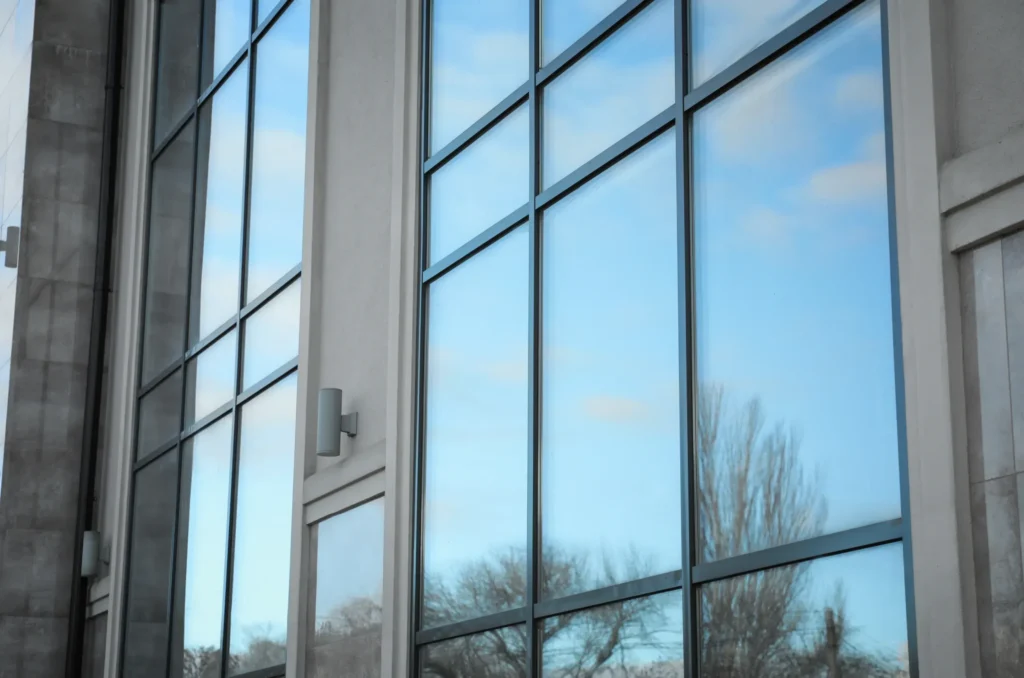
Why Factory Privacy Glass Isn’t Enough
A very common mistake made by modern SUV, dual-cab ute, and wagon owners is assuming that because their vehicle arrived from the dealership with dark rear windows, their interior is automatically shielded from solar heat waves. This is a significant automotive misconception.
Factory privacy glass is produced by infusing dark cosmetic pigments directly into the glass during manufacturing. While this process is highly effective at restricting visibility and creating a private cabin look, it provides virtually zero structural protection against the invisible infrared heat spectrum and high-energy solar radiation.
Without a premium aftermarket layer, your vehicle’s cabin will continue to heat up rapidly, and your passengers will remain exposed to sun damage. Adding a high-performance clear or color-matched protection layer directly over factory privacy glass is the only true way to block out heat waves while keeping the vehicle within exact legal boundaries.
Technical Architecture: Ceramic vs. Carbon vs. Dyed Tint
To achieve the ultimate balance of dark legal styling and supreme performance, you must understand the technical engineering hidden within modern window film layers. Choosing a film strictly by its darkness percentage without assessing its material technology can severely compromise your everyday driving comfort.
WINDOW TINT HEAT REJECTION BASICS
| Dyed Tint → Blocks light via dark pigment; zero IR relief |
| Carbon Tint → Infused with carbon particles; stable 50% IRR |
| Ceramic Tint → Nano-particle matrix; elite 95%+ heat defense |
1. Traditional Dyed Window Tint (The Short-Term Budget Choice)
Dyed film is the oldest, most basic tinting method. It relies on a layer of organic pigments sandwiched between an adhesive layer and a top-coat. It functions by absorbing visible light waves to darken your glass.
However, dyed coatings are virtually transparent to near-infrared light. Because the organic dye molecules absorb solar energy directly on the glass panel rather than reflecting it away, that thermal energy transfers directly into your cabin air. Under continuous, intense UV radiation, these organic molecules decompose rapidly. Within a few short years, dyed films fail the classic “purple fade test,” leading to cloudiness, edge peeling, and severe air bubbling that ruins your rear vision.
2. High-Performance Carbon Tint (The Color-Stable Mid-Tier Option)
Carbon film represents an excellent technical step forward. By completely eliminating organic pigments and replacing them with highly resilient, sub-wavelength carbon-black particles, the film achieves a lifetime of color stability.
The carbon matrix alters the solar absorption curve of the glass, effectively filtering out 40% to 60% of infrared heat and delivering an incredibly smooth, deep-black matte finish that never fades purple. Because carbon particles are completely non-conductive, this film has zero impact on mobile signals, ensuring crystal-clear reception for your smartphone networks, automated toll transponders, and GPS tracking arrays.
3. Premium Ceramic & Nano Ceramic Window Tint (The Apex Performance Standard)
If you are searching for the absolute best car tint for heat reduction, advanced ceramic window tint is the definitive choice. This luxury engineering standard utilizes non-conductive, metal-oxide nano-particles that are completely invisible to the naked eye.
Solar heat is heavily driven by the near-infrared spectrum (~52%). Because advanced ceramic layers are chemically tuned to selectively target, absorb, and scatter these heat wavelengths, a street-legal 35% VLT ceramic window tint or nano ceramic window tint can easily match or outperform the thermal heat rejection of an older, pitch-black 5% dyed film.
Premium ceramic configurations achieve an extreme Total Solar Energy Rejection (TSER) of up to 65%+ and provide an absolute 99.9% permanent UV protection barrier, dramatically lowering reliance on your air conditioning system, protecting your skin from deep tissue radiation damage, and stopping leather upholstery from drying out and cracking.
The Ultimate Vehicle Protection Matrix
Achieving total on-road climate resilience, structural safety, and privacy requires extending your vehicle’s defenses past standard side window film. Professional vehicle styling studios use a complete property matrix to ensure complete 36/7 asset security:
- Windscreen Film Installation: Your front glass represents the single largest entry point for radiant heat waves. While a dark tint is illegal on front glass, executing a clear, high-transmission windscreen film installation provides massive thermal insulation across your dashboard electronics without dropping low-light night-time visibility.
- Weather shield Installation: Integrating a sleek, aerodynamic weathershield installation over your door frames lets you crack your side windows open by a few centimeters while parked at local shopping hubs. This creates a natural convective ventilation loop that continuously vents trapped hot air, while the dark, slimline visor conceals the open gap completely from prying eyes.
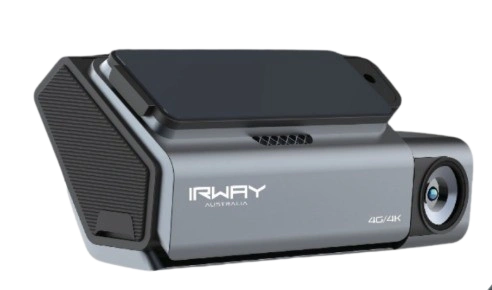
- Dash Cam Installation: Leaving your car parked in busy urban environments presents physical safety risks. Pairing your legal, heat-rejecting film with a professional, hardwired dash cam installation ensures continuous 24/7 video recording arrays are looping to capture parking lot hit-and-runs or traffic incidents instantly.
Precision Craftsmanship: Why Professional Fitment is Non-Negotiable
When an automotive modification results in a police fine or visual distortion, it is almost always the direct product of low-quality DIY kits or sub-standard installations. Professional fitment studios eliminate these risks through strict quality controls:
- VLT Pre-Auditing: Professional installers utilize digital light meters to audit the baseline density of your car’s glass window panes before matching it with the perfect, legally compliant film grade.
- Climate-Controlled Execution: Premium architectural solar films and ceramic automotive sheets must be installed within highly regulated, dust-controlled clean rooms to eliminate the risk of airborne dust specks or micro-bubbles getting permanently trapped beneath the adhesive layer.
- Edge Shaving Accuracy: Clean, CAD-guided machine templates and expert hand-shaving ensure the film contours flawlessly to the exact curvature of your moving window panes without lifting along the weatherstripping channels.
Seamless Service Coverage Across Greater Sydney
If you are ready to upgrade your vehicle with a premium, fully compliant installation backed by a comprehensive lifetime manufacturer warranty, the elite team at Dandy Tints is standing by to assist. Motorists can visit our state-of-the-art workshop facility or request a fully equipped mobile service van to come directly to their driveway or office courtyard anywhere across Sydney.
Our rapid deployment network hosts specialized mobile fleets operating across prime regional zones, including:
- Car Window Tinting Parramatta
- Car Window Tinting Blacktown
- Car Window Tinting Castle Hill
- Car Window Tinting Ryde
- The Macarthur Region: Campbelltown, Leumeah, Minto, Ingleburn, and Casula.
Beyond high-end automotive adjustments, our dedicated architectural film crews provide premier home window tinting featuring advanced residential solar film to slash residential cooling bills, alongside heavy-duty office window tinting utilizing premium commercial window film to eliminate blinding monitor glare across corporate business floors.
Frequently Asked Questions
Can I legally install a 20% VLT tint on my front side windows in NSW?
No. Under New South Wales transport rules, the driver and front passenger side windows must maintain a strict minimum of 35% VLT to ensure clear, unobstructed visibility for side-mirror checks. Dropping to a darker 20% VLT is strictly reserved for the rear side passenger and back windscreen glass panels.
Will a nano-ceramic window film interfere with my smart home or vehicle electronics?
No, absolutely not. Older metallic or metalized films utilize conductive sputtered metal particles that acts as a partial Faraday cage, dropping your smartphone bars and cutting keyless entry key fob range in half. Because both carbon and ceramic particles are completely non-metallic and non-conductive, they provide elite thermal protection with zero signal interference.
Can window tinting safely be applied to modern double-glazed home windows?
Yes, but it requires highly advanced residential solar film technology. Cheap, generic dyed films absorb intense amounts of solar heat directly into the glass sheet, causing the trapped gas layer between double-glazed units to expand unevenly. This thermal stress can permanently fracture the glass structure. Professional installation ensures you receive high-reflection ceramic options designed specifically to protect double-glazed arrays.
Drive Safely in Style
Don’t risk your money, vehicle compliance, or visual safety on cheap shortcuts that bubble, distort your view, and invite police defects. Upgrade your driving environment with a dealership-quality finish engineered to stand the test of time.
Contact the certified alignment experts at Dandy Tints today to analyze your glass configuration, explore real film samples in person, or secure your upfront quote.
- Phone: 0455 121 312
- Email: in**@************om.au
- Workshop Headquarters: Unit 9/20 Loyalty Road, North Rocks NSW 2151 (Open Monday to Sunday, 7am–7pm).
- [Book Your Free Consultation Now]